
Optimal Water Treatment Timing
Water treatments are often most effective when scheduled seasonally, particularly before periods of high usage or temperature fluctuations. Spring and fall are common times for comprehensive treatments.
Applying water treatments before peak usage seasons helps prevent buildup of contaminants and scale, ensuring water remains clean and safe during high-demand periods.
Post-season treatments can address issues caused by stagnation or temperature changes, reducing the risk of bacterial growth and mineral deposits.
Routine water treatments at regular intervals, such as quarterly or biannually, help maintain water quality and prevent long-term problems.
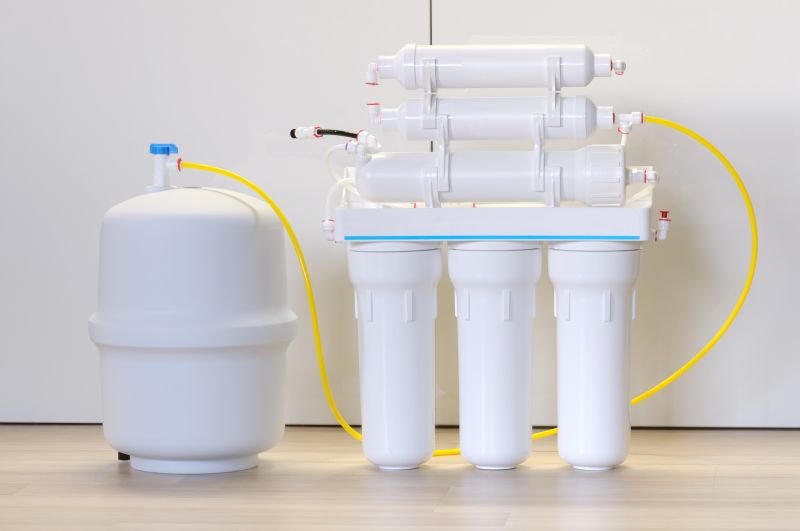
Image depicting water treatment systems in operation.
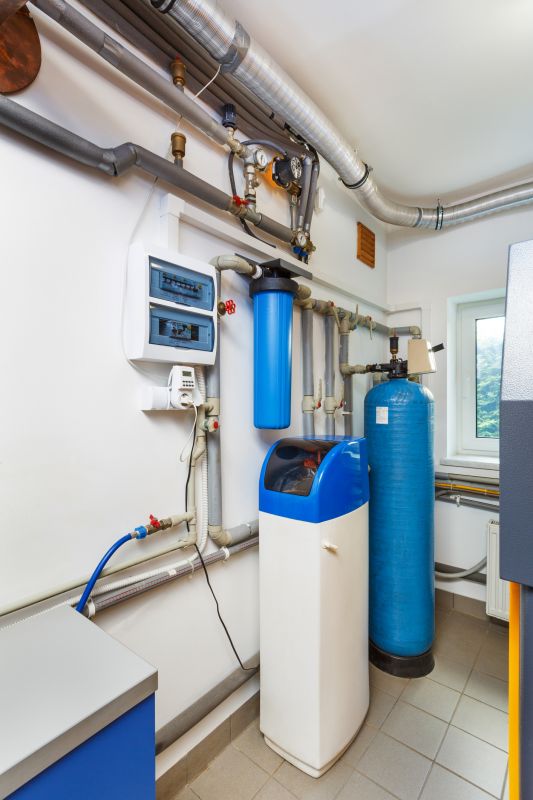
Image showing water testing kits and procedures.

Image of clean, treated water flowing from a tap.
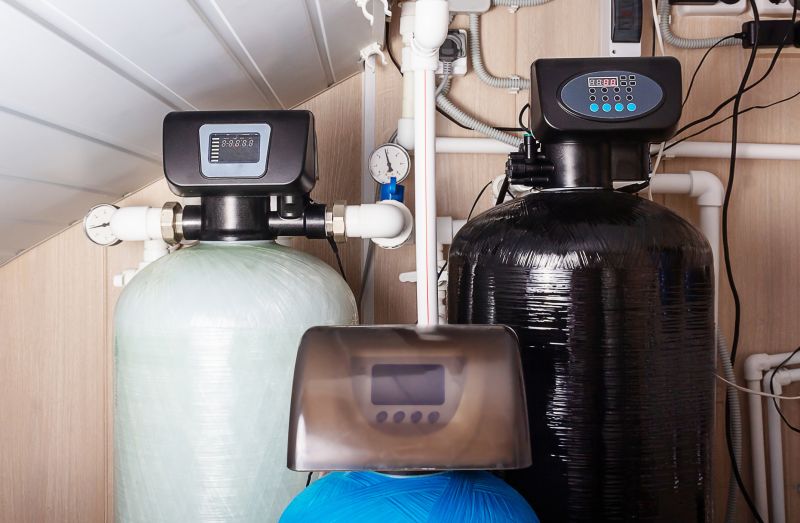
Ways to make Water Treatments work in tight or awkward layouts.
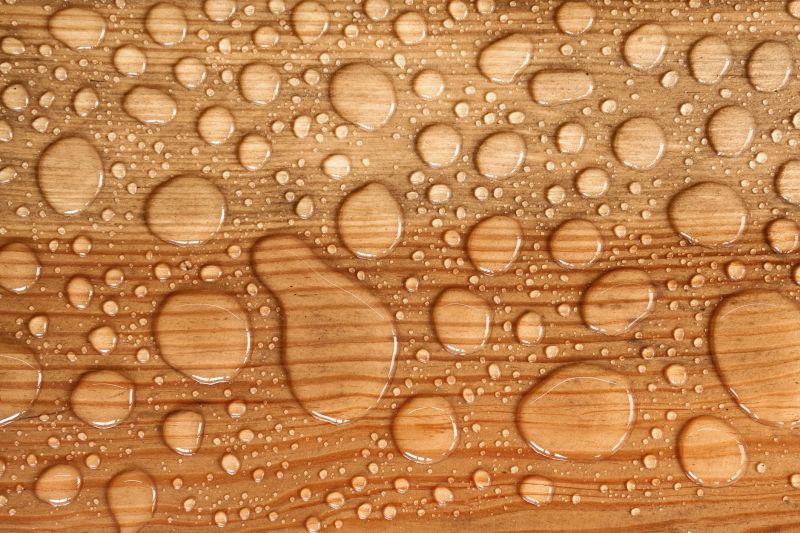
Popular materials for Water Treatments and why they hold up over time.
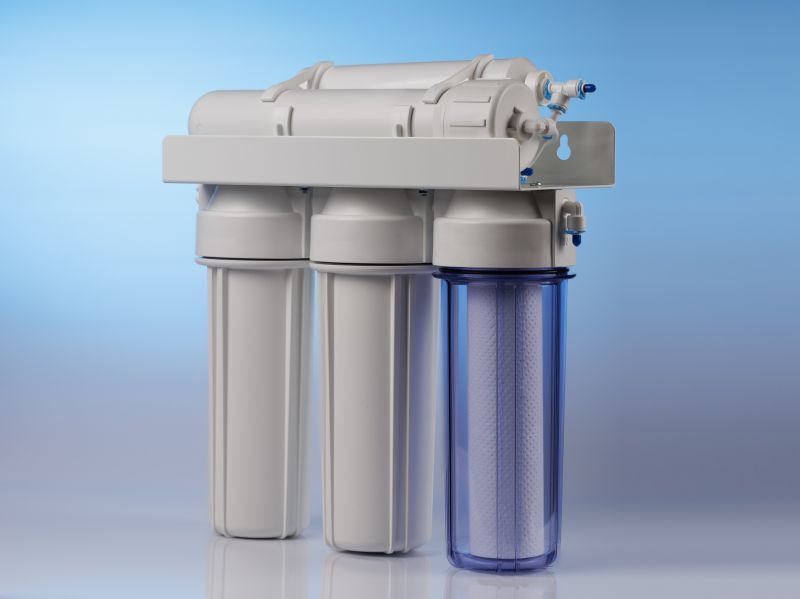
Simple add-ons that improve Water Treatments without blowing the budget.
| Timing Aspect | Details |
|---|---|
| Spring Treatments | Prepare for increased usage and temperature changes. |
| Fall Treatments | Address buildup before winter and lower temperatures. |
| Quarterly Maintenance | Ensure ongoing water quality and system efficiency. |
| Pre-High Usage Periods | Optimize water quality during peak demand. |
| Post-Stagnation | Reduce bacterial growth after periods of stagnation. |
| Seasonal Adjustments | Adapt treatment timing based on local climate. |
Water treatments play a crucial role in maintaining water quality by removing contaminants, reducing mineral buildup, and preventing bacterial growth. Proper timing enhances treatment effectiveness and extends the lifespan of plumbing and appliances. Regular assessments and adjustments based on seasonal and usage patterns help sustain optimal water conditions.
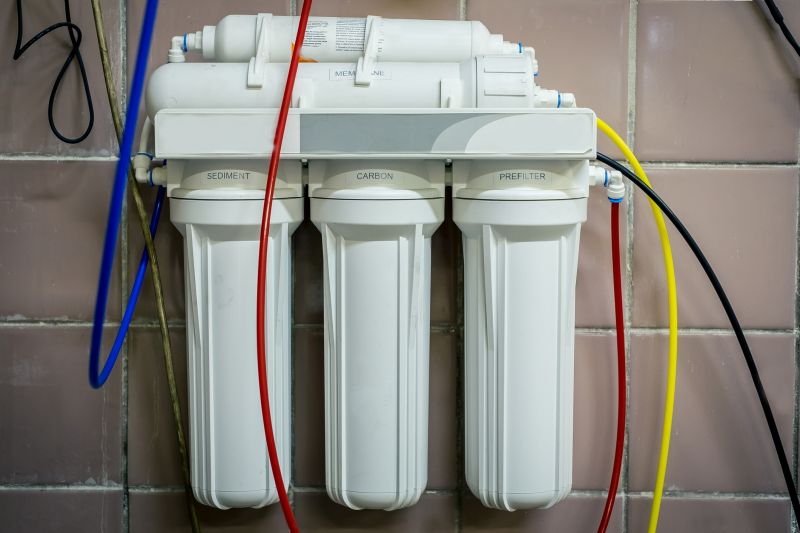
Image of a residential water treatment system installed in a home.
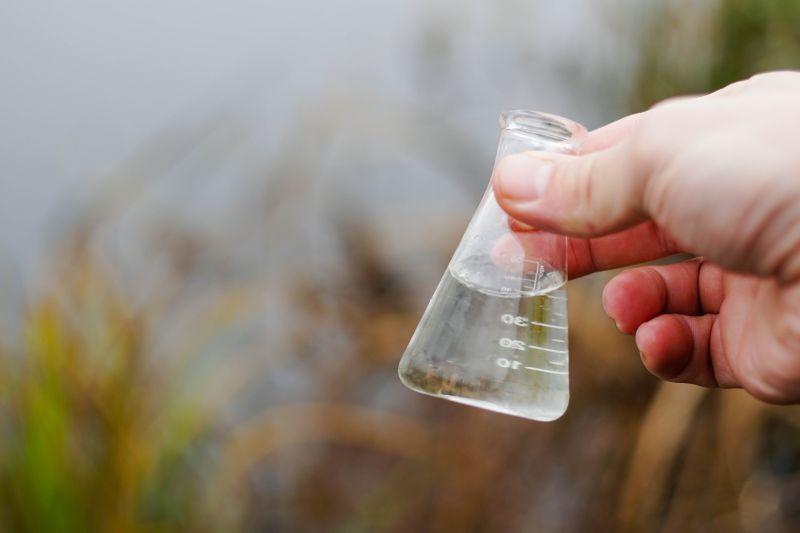
Image showing water testing in a laboratory setting.
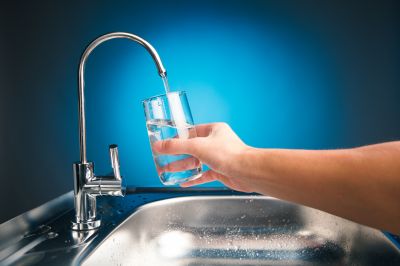
Close-up of a tap dispensing clean, treated water.

Image of digital water quality sensors in use.
Understanding the optimal timing for water treatments can significantly improve water quality and system performance. Regularly scheduled treatments help prevent costly repairs and ensure safe, clean water supply for all uses. Consulting local water conditions and seasonal factors can inform the best treatment schedule.
For those interested in scheduling water treatments or learning more about maintaining water quality, filling out the contact form provides a straightforward way to connect with specialists experienced in water treatment solutions in Leesburg, FL.